
Side project: home exchange
HomeExchange Review UK: What We've Learned From a Year of Family Home Swaps
Disclosure: this post contains my HomeExchange referral code. HomeExchange hasn't paid me or asked me to write it, but if you join using my code we both earn bonus GuestPoints. It costs you nothing extra, and I only recommend things I've used.
We've been HomeExchange members for a year, with a number of reciprocal and non-reciprocal exchanges under our belt, and it has saved us thousands of pounds on accommodation. It has also taken us to places we would never otherwise have booked: a village house in Normandy, a cottage-style family home in south-east London with two very affectionate cats, and a beachside retreat on Hayling Island.
This is an honest HomeExchange review from a UK family. I'll cover what it costs, how it works, whether it's safe, and, because almost every other review skips it, exactly how I prepare our own home for guests.
HomeExchange isn't for everyone, and I'll be upfront about who it doesn't suit. But if you like the idea of staying in a real home with a real kitchen, living like a local, and spending far less than a hotel or Airbnb, keep reading.
What is HomeExchange and how does it work?
HomeExchange is a membership platform where members stay in each other's homes instead of paying nightly rates. You pay an annual fee, list your own home, then book other members' homes in one of two ways.
- Reciprocal exchange: you stay at their home and they stay at yours, either on the same dates or at different times. Usually no points change hands.
- Non-reciprocal exchange (paid in GuestPoints): you stay at someone's home and pay in points. Most homes cost around 150 to 250 GuestPoints (GP) per night, depending on the home. The host banks those points and spends them on their own trips.
GuestPoints are what make it practical for families. You don't need someone to want your house on the exact dates you want theirs. You get some points to start, but hosting guests while you're on a run-of-the-mill hotel-based holiday, staying with family and so on is a great way to build up a balance to spend later. We've amassed about ten nights' worth of points. Realistically we'll probably always host while we stay somewhere else, but it's really nice to know that we don't have to.
You earn starter points when you join, more for completing your profile and listing your home, and bonus points when someone joins with your referral code. When we signed up we received a regular set of starter points, referral points and some extra promotional bonus points, which was plenty to get our first stays booked. Amounts change with promotions, so check the sign-up page.
One rule worth knowing: you can't finalise an exchange with the person who referred you, or with someone you referred. That keeps referrals honest, and it's why I'm happy to share my code.
How much does HomeExchange cost, and is it worth it?
Membership costs around $235 a year, with occasional offers, and covers unlimited exchanges for that year. There are no nightly fees. Prices vary by currency and promotion, and renewal and cancellation terms can change, so check the sign-up page and HomeExchange's terms before you pay.
For us it has been worth it, and by a long way. We've saved thousands of pounds on accommodation, and more importantly these are trips that probably wouldn't have happened at all on a hotel or Airbnb budget. Because we have a kitchen, a washing machine and often a garden, we also spend less on eating out.
Here is a rough idea of the accommodation value on three of our stays, based on my own estimates of what a comparable family rental would have cost.
| Trip | Nights | Estimated value saved |
|---|---|---|
| Normandy village house, late May | 5 | £450 to £750 |
| South-east London family home | 4 | £720 to £1,200 |
| Beachside retreat, Hayling Island | 4 | £600 to £1,000 |
The honest downsides. Finding a match for your exact dates takes persistence, so expect to message several hosts and plan early. You are staying in a lived-in home, not a hotel, so there will be quirks. And you need to be comfortable with guests in your own house, which isn't everyone's cup of tea.
Cleaning fees: think carefully before charging one
Some hosts ask guests for a cleaning fee. HomeExchange's Member Code of Conduct allows a reasonable cleaning fee as the only payment between members, as long as the amount is agreed before the exchange, and a fee charged afterwards has to be backed by a receipt. Utilities, towels, bedding and tourist tax are not allowed as extras. A fee can still be a turn-off, and many members feel it goes against the spirit of home exchange, where everyone simply leaves the house as they found it. From what we've seen, fees are mostly charged by hosts who list a second home and don't have immediate access to prepare it for the next guests.
If you do want to charge one, consider it carefully and be upfront about it in your listing, so guests know before they message you. As a guest, remember that even when a fee has been agreed, you are still expected to leave the home reasonably clean.
Is HomeExchange safe? Trust, verification and the deposit
Many of my friends balk at the idea of a stranger staying in their home. I understand, and it isn't for everyone. In our experience, the people we've exchanged with have been like-minded about trust and courtesy. Here is why I feel comfortable.
- Everyone is both a host and a guest. To spend points staying in someone's home, you need to have earned them, usually by hosting people in your own. Members have as much to lose as you do.
- The membership fee filters out casual chancers. It doesn't guarantee good behaviour, but it raises the bar.
- Verification. Members go through identity and address checks, and you can filter your search to verified members. Read the reviews as well as the badge.
- A deposit. HomeExchange takes a deposit on each guest's card before a stay. It's only kept if a host makes a valid claim, and HomeExchange manages the process between host and guest. Check the amount and terms when you book.
- A damage guarantee. HomeExchange's guarantee covers damage to the home and contents, plus temporary accommodation if the home becomes uninhabitable. Read the small print: it is discretionary rather than insurance, payouts are capped by the host's own home insurance, and hosts have a short window to claim. Limits change, so see HomeExchange's Guarantees page for the current figures.
- Help if a host cancels. HomeExchange says it will help you find alternative accommodation or reimburse you, up to set limits.
- You talk first. We chat through HomeExchange's messaging before an exchange is agreed, and once it's confirmed we move to WhatsApp for quick practical questions. Friendly messages have always been enough for us to get a feel for each other.
No system makes this risk free. Hosts are expected to keep their own home insurance, so check that yours covers exchange guests before your first one. I also put valuables and all paperwork away before guests arrive, and so should you.
Where we've stayed, and what it's like with kids
The best part of HomeExchange is that you live far more authentically than you can in a hotel or an Airbnb. Three of our stays show how different they can be.
A village house in Normandy. We took the Newhaven to Dieppe ferry and drove to a house in a village near Caen, close to sandy beaches, a good bakery and a well-stocked local shop. Our host left us a bottle of local cider, and even offered to fit stair gates for the children. We cooked most meals at home, did the daily bakery run, and spent our days on the beach and at playgrounds.
A cottage-style home in south-east London. Full of light and character, a five-minute walk from the station, with free street parking and a south-facing garden. We used it as a base for the Horniman Museum, Dulwich Park, the cafes of Lordship Lane and central London. The two house cats were the highlight, and our children cried when we left them.
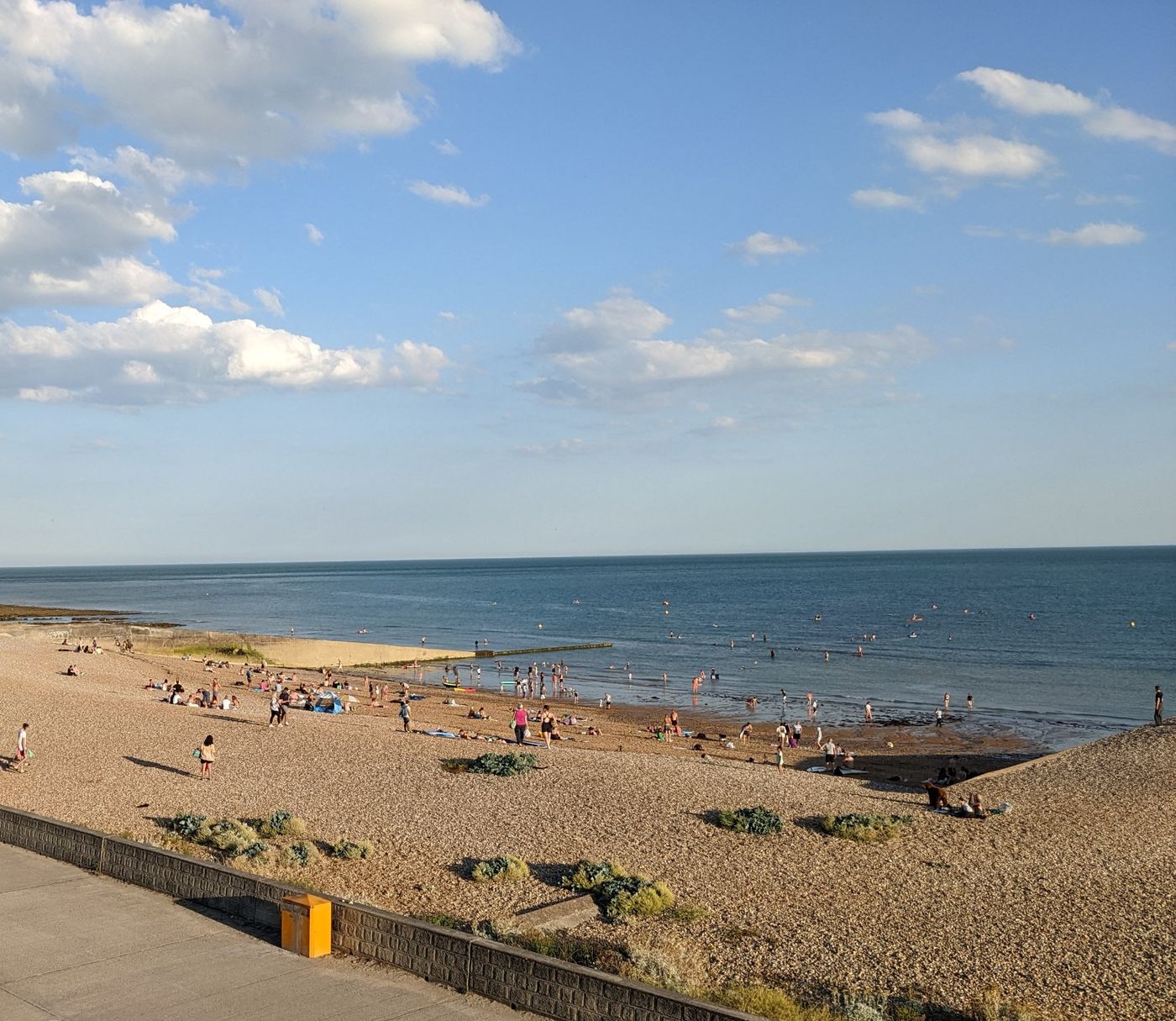
A beachside retreat on Hayling Island. We drove across to stay in a couple's house right next to the beach. We loved the characterful area, the local farm shop, the fairground and the Northney Tea Rooms.
Why it works well for families:
- A proper kitchen and washing machine, so mealtimes and laundry are easy.
- You can put a wash on while you're away, so you come home with far less dirty washing. Hosts are normally relaxed about you using their appliances.
- Toys, books and games already in the house, and often child equipment such as cots, high chairs and stair gates.
- Local tips from hosts who actually live there, which saves hours of research.
- Space for everyone, rather than four of you in one hotel room after bedtime.
- Flexibility for work. You can work from home from their office or dining table set-up, which beats using a block of annual leave on a resort where working is tricky.
What to check before you book with young children. Read the listing for anything that matters to you, such as steep stairs, bunk beds, unfenced water, or the absence of a TV. One of our stays had a very high bed reached by what we called the totem pole, which was great fun for the kids but flagged as unsuitable for very small children. Ask if in doubt.
How to prepare your home for a home exchange
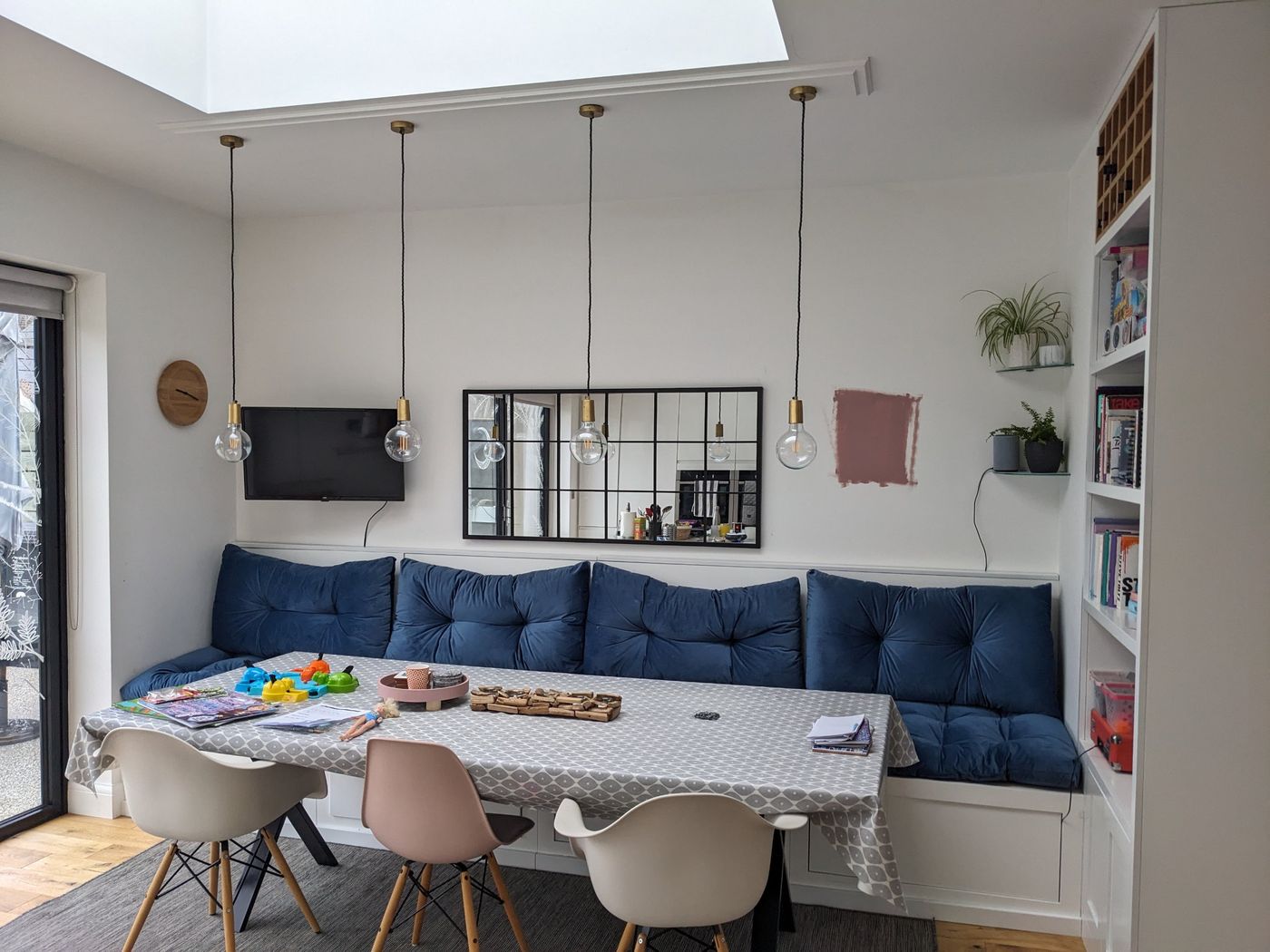
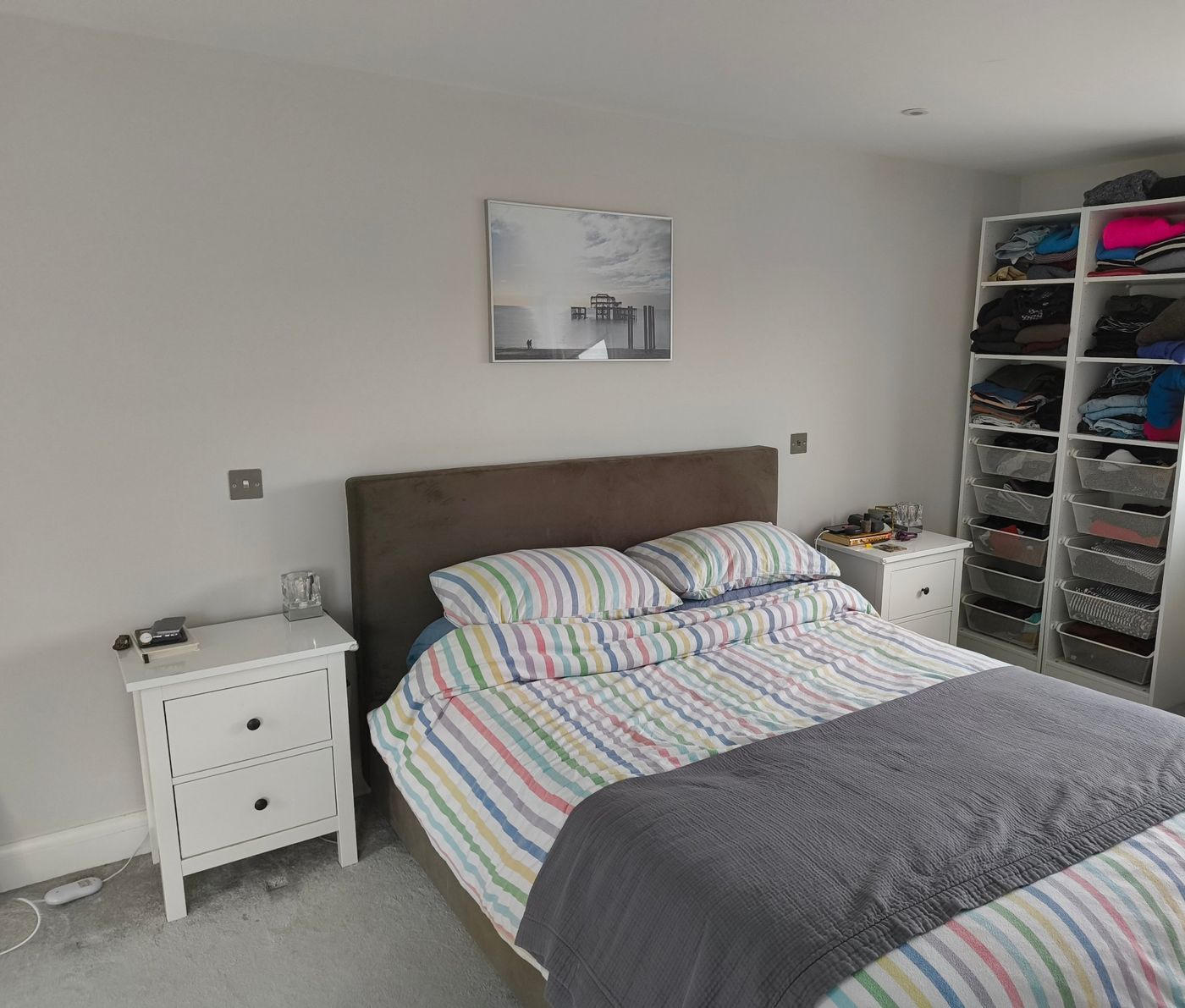
Most HomeExchange reviews are written by guests. Here is the host side: what I do to get our own home ready, which takes around half a day.
- Provide guest linen and towels. Charity shops are brilliant for this. You don't have to make the beds before you leave, because you could leave linen on the beds for guests to make up. It is nice to, though, and I do. I wash our own bedding and store it away until we're back. Fair warning: home exchanging involves a lot of washing.
- Clear clutter, documents and valuables. Anything personal, financial or irreplaceable gets put away.
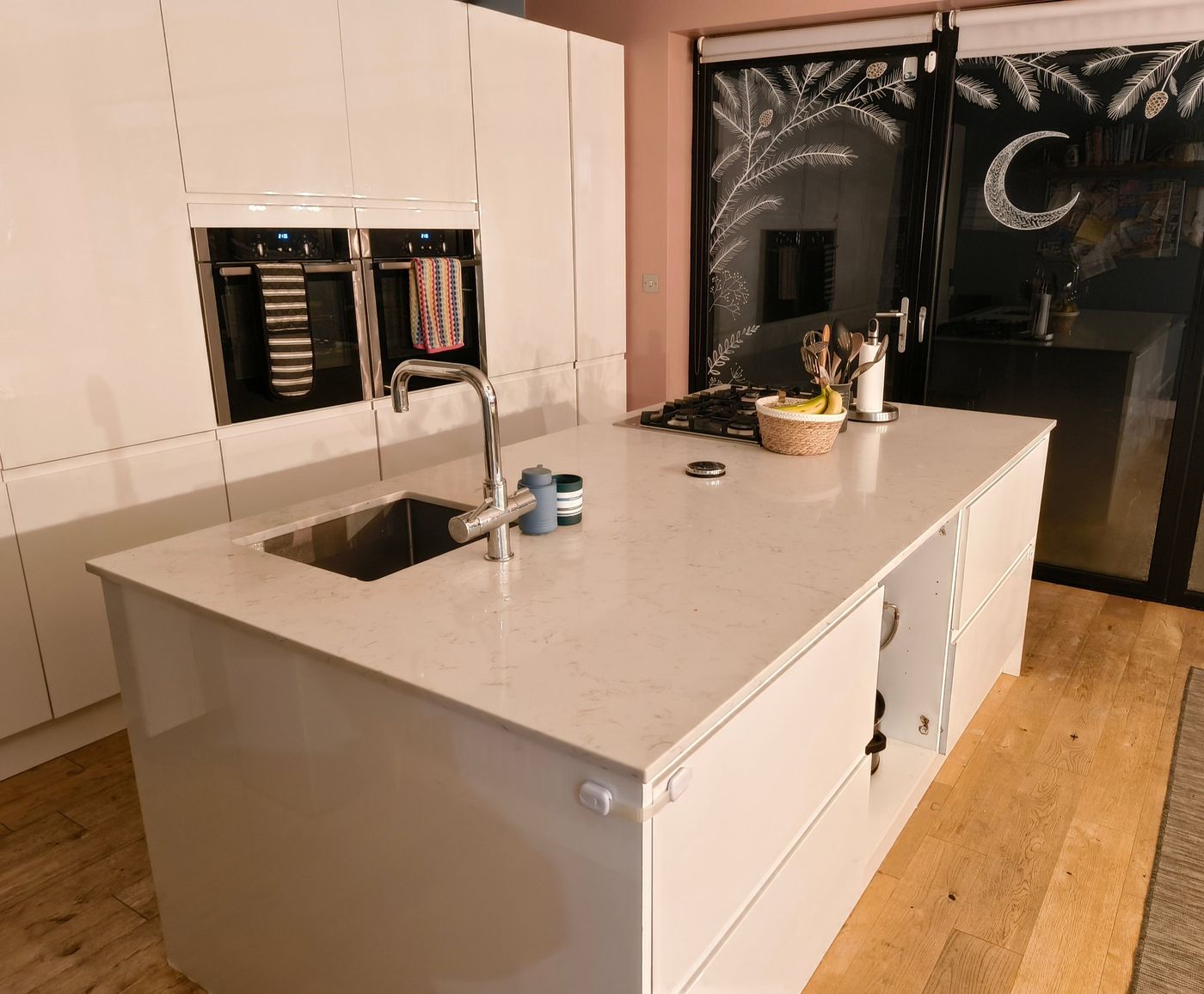
- Clear the surfaces. This is my favourite side effect. Preparing the house forces a decision about every item that has been sitting on the kitchen island waiting for one, which in our house is mostly children's artwork.
- Set up key access. We use a lock box, and I send those details in a separate message from the home guide, so the two are never in the same email.
- Send a home guide by email. Ours covers parking, heating, house rules, a pre-departure checklist, an appliance guide, a local area overview and history, and a long list of recommended days out, restaurants, cafes, leisure and kids' activities. I only send it to confirmed guests, never publish it.
- Point out the quirks. If the washing machine won't spin a heavy load, say so. Guests would much rather know than puzzle over it.
- Set up WhatsApp once the exchange is confirmed. Keep the early conversation on HomeExchange's messaging, then move to WhatsApp for quick practical questions. It makes things easy for both sides.
How far should you go?
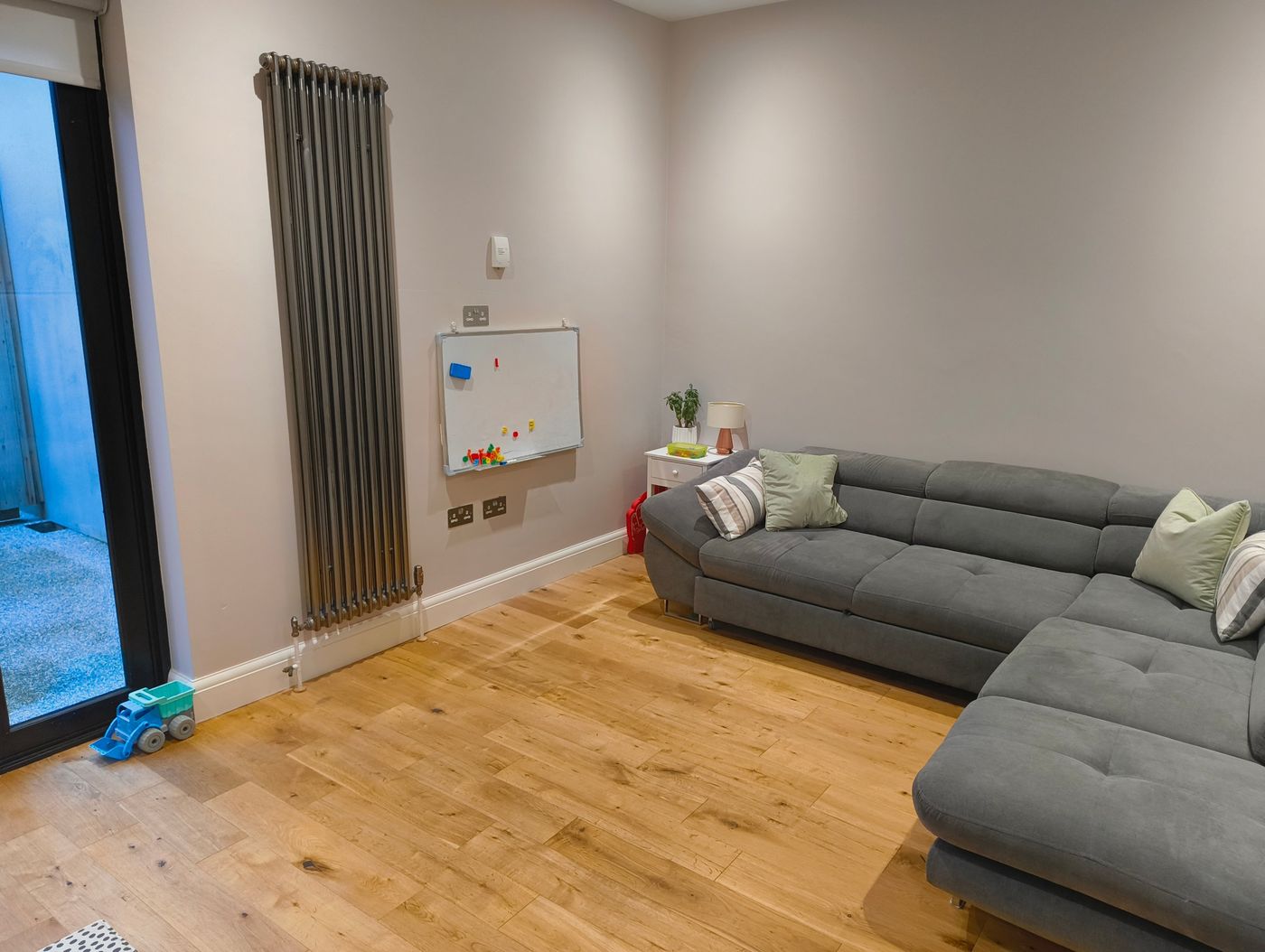
It's a personal decision how far to "hotel-ize" your home. Some hosts clear everything and leave the house spick and span. Others clean and tidy but leave a clearly lived-in home. Guests get a good sense of which you are from your photos and reviews, so be honest in your listing.
I'm a perfectionist, so I probably go further than I need to. But I like the chance to clear out, and it means we come home to a gloriously clean and tidy house.
HomeExchange tips for first-timers
- Always ask if in doubt. As a host I'd much rather get a message than have guests spend hours trying to adjust the heating.
- Write a personal first message. Say who is travelling, why you want that home and what you love about it. Generic requests get ignored.
- Message several hosts. The odds that one home is free on your dates and happy to host you are low, so ask more than one.
- Tell your hosts when you arrive. A quick text or WhatsApp to say you're in and all is well gives everyone peace of mind. Daily updates aren't necessary, just anything notable.
- Confirm when you leave. Message to say you've cleaned, locked up and returned the key.
- Own up if something breaks. We've had a mug reported to us after a stay, nothing more, but it's far nicer to hear about it than to discover it months later.
- Leave it as you found it. Strip the beds if asked, take out the rubbish and follow the host's instructions for linen.
- Be upfront about your own home. Photos and honest descriptions mean no surprises and better reviews.
HomeExchange glossary
- Host / to host
- The person whose home is being stayed in, and the act of welcoming guests there.
- Guest
- The person staying in someone else's home.
- Listing
- Your home's profile page, with photos, description and house rules.
- GuestPoints
- The in-app currency used to pay for non-reciprocal stays. You earn them by hosting and through sign-up and referral bonuses.
- Reciprocal exchange
- A swap where you stay at their home and they stay at yours, either on the same dates or at different times.
- Non-reciprocal exchange
- A stay where the guest pays the host in GuestPoints instead of swapping homes.
- Verified member
- A member who has passed HomeExchange's identity and address checks.
- Deposit
- A hold placed on the guest's card before a stay, taken only if the host makes a valid claim.
- Guarantee
- HomeExchange's damage and cancellation protection. It is not an insurance policy.
- Referral (sponsor) code
- A code a member shares so a new member can join with bonus points. Mine is katie-d695e.
- Cleaning fee
- An optional charge some hosts ask guests to pay. See cleaning fees above.
HomeExchange FAQ
Is HomeExchange worth it?
For us, yes. The annual fee covers unlimited exchanges, and a single week of family accommodation can cost more than a year's membership. It works best if you travel at least once or twice a year and are happy staying in a lived-in home.
How much does HomeExchange cost in the UK?
Around $235 a year, with occasional offers. That covers unlimited exchanges for the year and there are no nightly fees. Some hosts do charge a cleaning fee, so check each listing.
Is HomeExchange safe?
Members are verified, reviewed, and message each other before booking. HomeExchange takes a deposit on each guest's card, kept only for a valid claim, and has a damage guarantee. The guarantee is discretionary and capped by the host's own home insurance, so check your policy covers exchange guests.
Do I have to swap homes at the same time?
No. You can do a reciprocal swap, or use GuestPoints to stay in a home without the host staying in yours. That is what makes it flexible for families.
Do I need a beautiful house to join?
No. Hosts care first about location and a clean, comfortable home, and you can be honest in your listing about how lived-in it is. Plenty of members live in ordinary family houses and flats.
How do I get free GuestPoints?
Join through my referral code katie-d695e or this link and you'll get bonus points on top of your starter points. Enter the code when you create your account, because it can't be added afterwards. I earn bonus points if you join.
What if something gets broken?
Tell your host straight away. The deposit hold exists for this, and HomeExchange mediates between host and guest if you can't agree.
Is HomeExchange good with kids?
It's one of the best ways to travel with children. Homes often come with toys, books, cots and a proper kitchen, and a host with children of a similar age can be a goldmine of local tips.